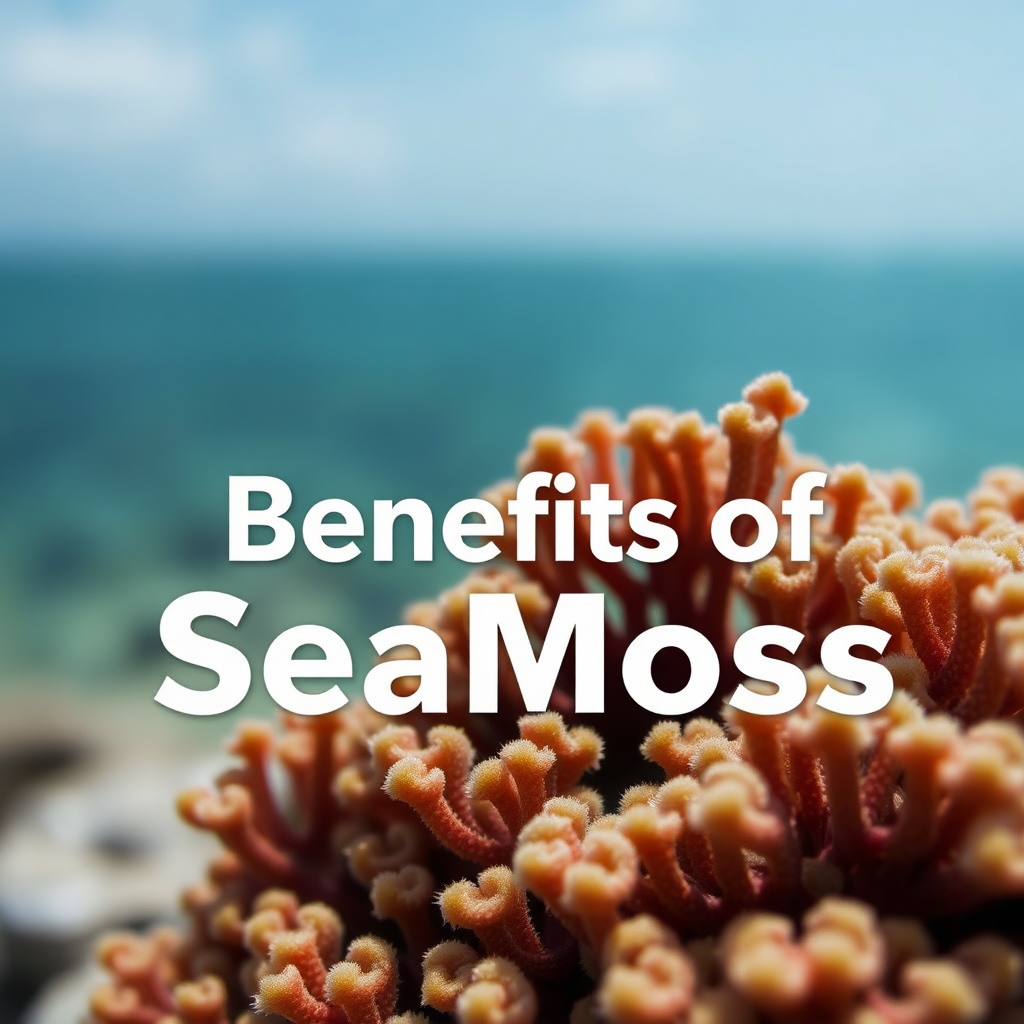
Sea moss chondrus crispus also known as irish moss is rich in iodine, which is vital in producing thyroid hormones that regulate your metabolism. Also improves your gut health the higher fiber content makes it a probiotic. It improves your skin and hair by providing collagen and hydrating nutrients.
Beyond these core benefits, sea moss offers a broader spectrum of nutrients that make it a unique superfood. It contains over 90 trace minerals — including potassium, calcium, magnesium, and zinc — which support everything from electrolyte balance to bone health and immune function. Those minerals work synergistically with iodine to help maintain steady energy levels and a resilient metabolic system. When it comes to gut health, sea moss acts both as a prebiotic and a mild probiotic-supporting agent. Its soluble fiber forms a gentle gel in the digestive tract, feeding beneficial bacteria and improving bowel regularity without harsh laxative effects. For anyone struggling with occasional bloating or irregularity, incorporating sea moss into a balanced diet can be a gentle, natural step toward restoring microbial balance. For skin and hair, sea moss is especially compelling. While it doesn't contain collagen itself, it supplies the amino acids and minerals necessary for your body to synthesize collagen more effectively. The hydrating polysaccharides lock in moisture, which can reduce dryness and improve elasticity in the skin. Topical sea moss masks or serums can soothe irritation and boost hydration, while internal supplementation supports stronger nails, shinier hair, and a healthier scalp. Practical ways to use sea moss are simple and versatile. The most common form is a blended gel made from rehydrated, cleaned sea moss that can be added to smoothies, soups, teas, and even baked goods. Try a tablespoon in your morning smoothie for a nutrient boost, or stir it into soups and sauces as a natural thickener. For topical use, mix the gel with aloe vera or honey for a soothing face mask. Dosage and safety deserve careful attention. A typical daily dose of sea moss gel ranges from 1–2 tablespoons (about 5–15 grams), though needs vary based on diet and iodine status. Because sea moss is high in iodine, people with thyroid disorders or those taking thyroid medication should consult a healthcare provider before regular use. Overconsumption of iodine can disrupt thyroid function, so moderation and medical guidance are key. Quality matters. Look for wild-harvested, minimally processed sea moss from reputable suppliers that test for heavy metals and contaminants. Avoid products with added sugars, artificial colors, or unnecessary fillers. If harvesting yourself, be mindful of local regulations and environmental sustainability; overharvesting can damage fragile coastal ecosystems. The science continues to evolve. Preliminary studies and traditional use support sea moss’s role in immune support, mucosal health, and metabolic regulation, but more rigorous clinical trials are needed to define optimal dosing and long-term effects. Still, centuries of culinary and medicinal use across coastal cultures give this algae a strong historical endorsement. Incorporating sea moss into a balanced lifestyle amplifies its benefits. Pair it with a diverse diet rich in whole foods, stay hydrated, manage stress, and maintain regular activity to let the iodine, minerals, and prebiotic fibers do their best work. Small, consistent habits—like a daily spoonful in a smoothie or a weekly face mask—can produce noticeable improvements over time. Sea moss isn’t a miracle cure, but as part of a thoughtful, evidence-informed approach to health, it can be a powerful ally for thyroid support, gut resilience, and radiant skin and hair. Embrace it mindfully, prioritize quality and balance, and let this ocean-born nutrient become a steady, nourishing part of your wellness routine.