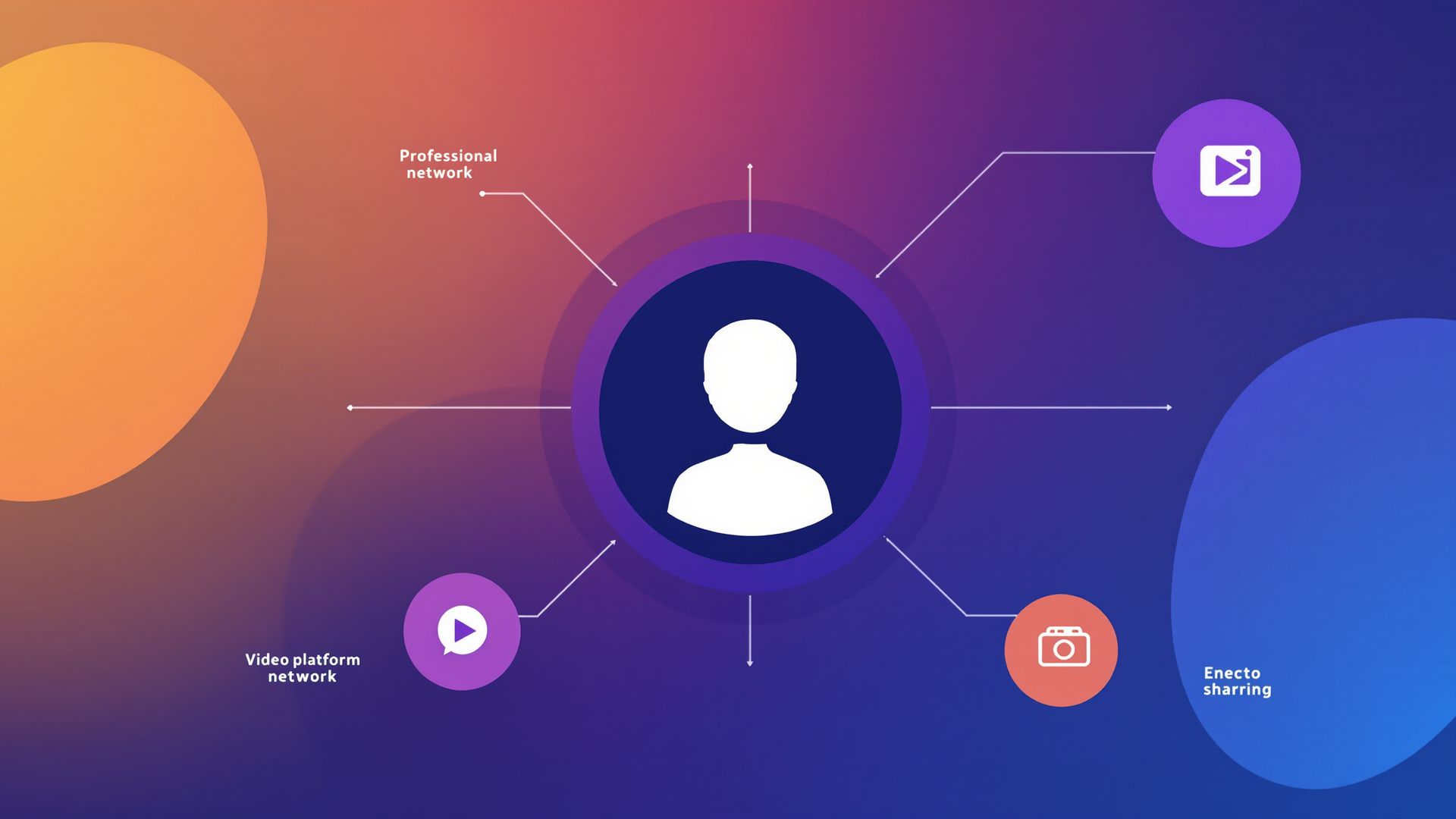
Personal branding matters now because the creator economy and professional thought leadership are both shaping who earns attention and opportunities. More than 300 million creators worldwide are publishing ideas and content (Forrester: https://www.forrester.com/blogs/the-rise-of-the-creator-economy-creators-displace-advertising-paradigms/), influencer marketing reached 24 billion U.S. dollars in 2024 (Statista: https://www.statista.com/statistics/1092819/global-influencer-market-size/), and 77% of consumers say they follow creators for shared interest or to learn (Deloitte: https://www.deloitte.com/us/en/programs/chief-marketing-officer/articles/content-creator-economy.html). Meanwhile, 52% of decision‑makers (and 54% of C‑suite) spend an hour or more per week reading thought leadership (Edelman + LinkedIn: https://www.edelman.com/sites/g/files/aatuss191/files/2024-02/_2024%20Edelman-LinkedIn%20B2B%20Thought%20Leadership%20Impact%20Report%20Final.pdf). This article gives practical, research‑backed steps you can execute in weeks to turn attention into measurable outcomes.
Personal branding is the consistent set of signals people pick up about who you are, what you do, and why you’re different. It’s your message, your proof (the work you publish), and your visible habits—all working together to make you findable and memorable.
The creator economy and platform attention have shifted how authority is built: creators can make ideas mainstream overnight, and platforms reward consistent, repurposed distribution. For context, Forrester reports there are more than 300 million creators worldwide (https://www.forrester.com/blogs/the-rise-of-the-creator-economy-creators-displace-advertising-paradigms/) and Statista reports the global influencer market reached 24 billion U.S. dollars in 2024 (https://www.statista.com/statistics/1092819/global-influencer-market-size/).
Define a tight niche and one-line positioning statement — clarity helps discovery and consistent messaging; start by writing a single-sentence “I help” statement and use it as your headline across platforms. Test two variants in DMs or short posts and keep the one that gets the best reactions.
Build a “body of work” on owned channels and repurpose it — publish long‑form articles or guides on your blog/LinkedIn and convert those for short‑form video, posts, and threads to amplify reach. Aim to have at least one long asset you control and slice it into multiple formats.
Optimize LinkedIn as a primary professional hub — complete your profile (headline, summary, media), publish regular posts/articles, and use LinkedIn Creator features to improve discoverability (complete profiles correlate with far more opportunities). Make your one-line brand promise the first line of your About section (LinkedIn guidance: https://www.linkedin.com/pulse/achieving-all-star-status-linkedin-sophie-milliken-fcipd-frsa/).
Publish thought leadership aimed at decision‑makers — because >50% of decision‑makers read thought leadership weekly, produce 1–2 long‑form pieces per month that solve a specific problem for your target audience. Repurpose each long piece into short posts, videos, and threads to meet audiences where they already engage (Edelman + LinkedIn: https://www.edelman.com/sites/g/files/aatuss191/files/2024-02/_2024%20Edelman-LinkedIn%20B2B%20Thought%20Leadership%20Impact%20Report%20Final.pdf).
Partner strategically and repurpose creator content — work with niche creators or micro‑influencers to amplify credibility and reach; creators and brands are increasingly collaborating for shared interest and learning. Start with micro‑collaborations that share authorship and measurement (Forrester & Deloitte: https://www.forrester.com/blogs/the-rise-of-the-creator-economy-creators-displace-advertising-paradigms/ and https://www.deloitte.com/us/en/programs/chief-marketing-officer/articles/content-creator-economy.html).
Measure what matters and iterate quickly — track engagement rate, leads or messages generated, and content conversions (not just impressions); run short experiments (2–4 weeks) per format/platform and double‑down on the highest ROI. Use simple conversion tracking so you know which channels drive direct inquiries or demo requests (Statista context: https://www.statista.com/statistics/1092819/global-influencer-market-size/).
Misa Chien — focused a LinkedIn thought‑leadership program that emphasized storytelling and career advice; result: 34,815,385 impressions reported in a BAMF case study. Source: https://bamf.com/case-studies/misa-chien
Rob Dyrdek — repositioned from TV personality to business thought leader by publishing LinkedIn content and frameworks; result: 3.34M+ impressions in 12 months. Source: https://bamf.com/case-studies/rob-dyrdek
Maria Rybak — ran an origin‑story LinkedIn campaign designed to warm investors and track direct outreach; result: 377K impressions and 43 investor calls in one month. Source: https://bamf.com/case-studies/maria-rybak
For more tactical examples, see Terrys Crazy Blog posts: Personal Branding Playbook: Stand Out Without Selling Out and Be Unmistakable: The Playful Guide to Personal Branding.
Personal branding is a practical system: clarify your niche, publish a signature body of work, optimize your profiles, repurpose across formats, partner smartly, and measure what moves the business needle. Try the two‑week starter experiment and you’ll have a repeatable engine for results. Need a quick checklist or feedback on your one-sentence brand promise? Contact Terry at [email protected].