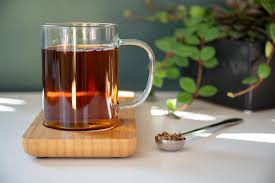
looking for a good cup of tea? this is how you can get a good cup
Start with great ingredients. Fresh, high-quality tea leaves make the biggest difference — whole-leaf teas typically deliver more complex flavor than fannings or dust found in many tea bags. If you like convenience, look for pyramid sachets or loose-leaf infusers that use whole or large broken leaves. Store tea in an airtight container away from light, heat, and strong odors to preserve aroma and flavor. Pay attention to water. Tea is mostly water, so the water you use matters. Filtered or spring water often produces a cleaner taste than heavily chlorinated tap water. Avoid distilled water for delicate teas, since it can taste flat. Use fresh water each time — reboiled or previously used water can diminish oxygen levels and make the tea taste dull. Match temperature to the tea type. Different teas require different water temperatures to release their best flavors without bitterness: - Green and white teas: 160–185°F (70–85°C). - Oolong: 185–205°F (85–96°C). - Black and pu-erh: 205–212°F (96–100°C). - Herbal tisanes: 212°F (100°C). If you don’t have a thermometer, bring water to a boil, then let it sit 30–90 seconds for green/white or use immediately for black/herbal. Respect steeping time. Oversteeping extracts excessive tannins and makes tea astringent. As a guideline: - Green: 1–3 minutes. - White: 2–4 minutes. - Oolong: 3–5 minutes. - Black: 3–5 minutes. - Herbal: 5–7+ minutes. Adjust to taste — stronger or milder — but use these ranges to avoid common brewing mistakes. Measure properly. A general rule is 1 teaspoon of loose leaf per 8-ounce cup. For rolled or larger leaves (some oolongs, whole-leaf greens), use a heaping teaspoon. For iced tea or deeper infusions, increase the leaf-to-water ratio slightly. Use the right equipment. A good teapot with an infuser, a gaiwan, or a simple tea strainer improves extraction and makes cleaning easier. Pre-warming your teapot or cup with hot water keeps the brewing temperature stable, especially for smaller vessels. Experiment with technique. Try the “short infusions” method for oolong and some green teas: multiple brief steeps (20–60 seconds) extract different flavor layers each time. For black teas, a single longer steep is usually preferable. For chai or spiced blends, simmer briefly with milk for a richer result. Know when to add milk, sweeteners, or lemon. Some black teas (Assam, English Breakfast) welcome milk and sugar, while delicate greens and floral teas are best enjoyed plain or with a light honey drizzle. Lemon brightens many black and herbal teas but can curdle milk — don’t combine. Troubleshoot common problems. Bitterness usually means water too hot or steeping too long; flat or weak tea means too little leaf or water that was reused; cloudy tea can result from very hard water or tiny leaf particles—use a finer strainer or filtered water. Enjoy mindfully. Part of a good cup is the ritual: choose a quiet moment, steep with intention, and savor aroma before tasting. Even small changes — trying a new origin, switching to loose leaf, or adjusting steep time by 30 seconds — can reveal flavors you didn’t know were there. Final thought: brewing a consistently good cup of tea is both science and art. Once you understand the basics — quality leaves, proper water, correct temperature and timing — you can tailor each cup to your taste and discover a world of subtle, rewarding flavors.