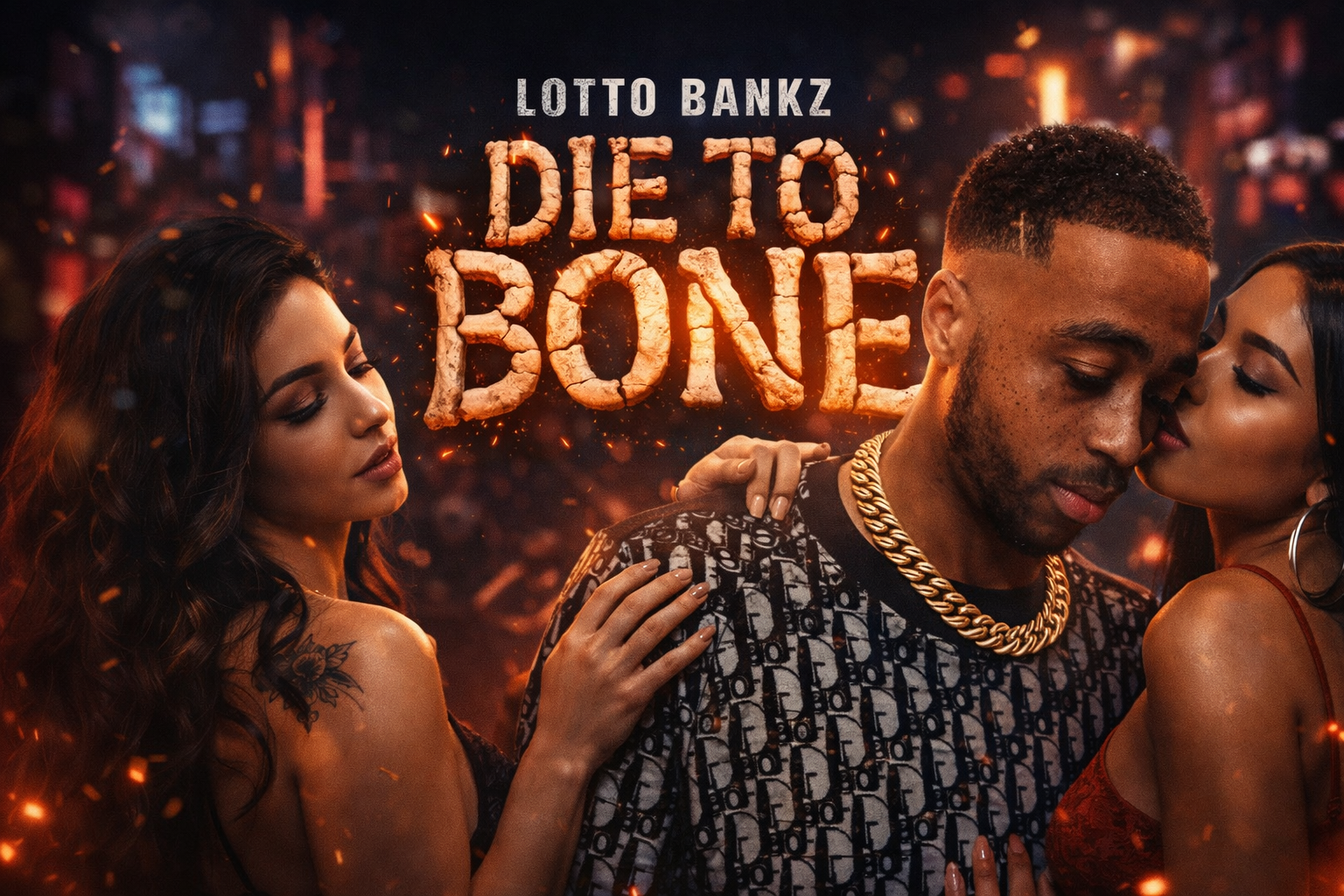
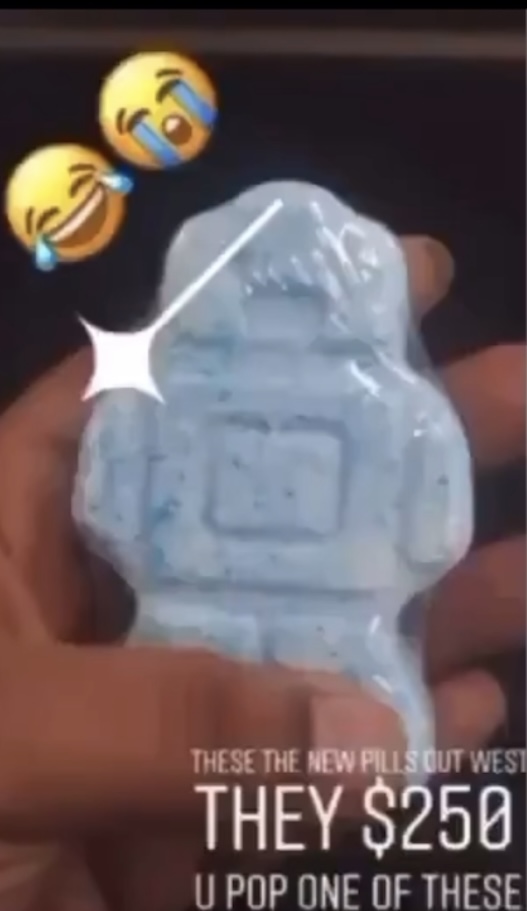
Mega viral party with cash and pills spread out all over as the girls twerking on the guy with there perfect bbl bootys to song tittled bone til death by lotto bankz
That image — a mega-viral party scene with cash, pills, and dancers twerking to “Bone Til Death” by Lotto Bankz — captures a familiar tableau in contemporary rap and R&B visuals: excess, shock value, and hyper-sexualized performance as shorthand for success. But beyond the clickbait snapshot lies a set of recurring themes worth unpacking: why audiences respond, how artists craft that response, and what the cultural cost and commercial upside look like. Context: why this scene works Audiences are drawn to spectacle. Lavish settings, conspicuous consumption, and taboo elements (like pills) amplify drama and give viewers a sense of being let into an exclusive world. For artists, the formula is straightforward: make something visually arresting, attach a hooky beat and repeatable chorus, and you have viral potential. In the streaming era, a single iconic image or TikTokable moment can drive millions of plays overnight. Production and sonic elements that propel virality Producers and artists often combine a handful of tactics to maximize impact: - A minimalist, hard-hitting beat that leaves space for a chantable hook. - A repetitive, provocative chorus that’s easy to mimic in short-form video. - Vocal ad-libs and drops timed to sync with viral choreography. - High-contrast visuals and costume cues that translate well to thumbnails and clips. These elements aren’t accidental — they’re the product of decades of pop-rap and club-music craft honed to trigger shareability. Cultural critique: glamorization vs. reality There’s a thin line between representation and endorsement. When pills and cash become props, the downstream effects can be harmful: normalizing substance misuse, reinforcing exploitative gender dynamics, and elevating material wealth as the sole metric of success. That said, some artists use these symbols deliberately — to critique the lifestyle, to reflect a character, or to dramatize a narrative. Reading intention into the imagery requires listening closely to lyrics, interviews, and the wider body of work. How creators and fans can be more responsible Artists and creators can keep the spectacle while reducing harm: - Contextualize risky behavior in lyrics or visuals rather than glamorize it. - Provide resources or disclaimers when depicting substance use. - Show diverse representations of success beyond money and sex. Fans and curators likewise hold power — sharing critical takes, elevating alternative narratives, and calling out harmful tropes helps shift the culture. Marketing playbook for a track like “Bone Til Death” If the goal is to ride the viral energy without burning out, consider a phased strategy: 1. Tease visually striking moments on TikTok and Instagram Reels with a branded hashtag. 2. Release a stripped-down or lyric video that highlights songcraft for listeners who want more than spectacle. 3. Drop behind-the-scenes content showing production, choreography, and artist intent to deepen engagement. 4. Pair the single with remixes or features that broaden reach across subgenres. Listening guide for rap and R&B lovers Don’t let the visuals be the entire message. For deeper appreciation: - Listen to the verses and bridge for storytelling cues. - Compare the track’s production to the artist’s previous work to spot evolution. - Explore interviews or social media explanations — sometimes the controversy is calculated, sometimes it’s personal. Conclusion That viral party image is a potent symbol of modern music culture: intoxicating, clickable, and complicated. As fans of rap and R&B, we can enjoy the energy while staying critical — celebrating creativity that pushes boundaries, and calling out what hurts. Share this piece if you’ve seen similar scenes blowing up on your feed lately, and let’s keep the conversation going about how music, imagery, and responsibility intersect.