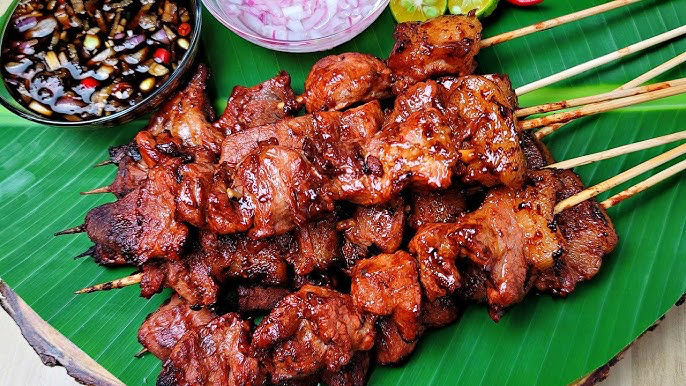
There’s something magnetic about a steaming plate of food bought from a hawker’s cart: the sizzle, the aroma, the quick exchange between vendor and customer. In the Philippines, street food is more than a convenient snack — it’s a window into history, region, and everyday life. From busy Manila sidewalks to provincial night markets, Filipino street food tells stories of creativity, thrift, and communal joy. Start with the classics: skewers. Whether it’s pork barbecue laced with sweet marinade or chicken inasal turned into grab-and-go sticks, skewers are everywhere. They’re practical, portable, and perfect for grazing between errands. Vendors often grill over charcoal, which adds that irresistible smoky char. Try pairing your skewer with a dash of vinegar-chili or a squeeze of calamansi for a bright kick. Dive deeper and you’ll find bolder, more adventurous offerings. Isaw — grilled chicken or pork intestines — surprises many newcomers but remains a beloved staple. The trick is in the preparation: cleaned, boiled, marinated, and charred until slightly crispy. Equally daring is balut, a fertilized duck egg cooked and eaten warm; it’s less about novelty and more about tradition, often enjoyed with salt, vinegar, or a chilled beer during late-night conversations. Sweet treats form a major part of the sidewalk experience. Halo-halo is the ultimate Filipino dessert mashup: crushed ice, evaporated milk, sweet beans, jellies, leche flan, and ube — mixed until every bite is a surprise. Taho, a morning ritual for many, arrives in cups filled with silken tofu, arnibal (sweet syrup), and sago pearls, delivered by vendors calling “Tahooo!” as they roam neighborhoods. Regional variations make exploring street food feel like a culinary tour. In Cebu, lechon (roast pig) and puso (hanging rice wrapped in woven palm leaves) are popular street-side treats. In Bicol, expect spicier flavors thanks to coconut milk and chilies, while in Ilocos you might come across bagnet kebabs or empanadas stuffed with local cheese and egg. Each region layers local produce and techniques onto the common street-food framework. Safety and enjoyment go hand in hand. Look for stalls with high turnover — fresh batches and a steady line are good signs. Observe how the food is handled: vendors who use tongs, cover their wares, and cook to order usually offer safer choices. If you have a sensitive stomach, stick to piping-hot items or bottled beverages, and be cautious with raw or undercooked foods. Beyond taste, street food is social glue. It’s where families meet after work, where groups of friends share skewers under streetlights, and where strangers trade recommendations. Many vendors are small entrepreneurs, passing recipes down through generations or inventing new twists to attract regulars. Supporting them doesn’t just satisfy hunger — it supports livelihoods and preserves culinary knowledge. If you’re planning a street-food crawl, mix tried-and-true favorites with a few curiosities. Start with a savory skewer or two, sample a local specialty, and finish with something sweet like halo-halo or bibingka. Walk between stops to work up an appetite, and bring cash in small bills — many stalls don’t accept cards. Philippine street food is a living, everyday cuisine: pragmatic, inventive, and utterly human. From the simple pleasure of a charcoal-grilled skewer to the layered complexity of a halo-halo, every bite invites you to taste the country’s history and heart. So the next time you wander a Filipino sidewalk at dusk, follow the smoke, the chatter, and the steam — you’ll find stories worth savoring.