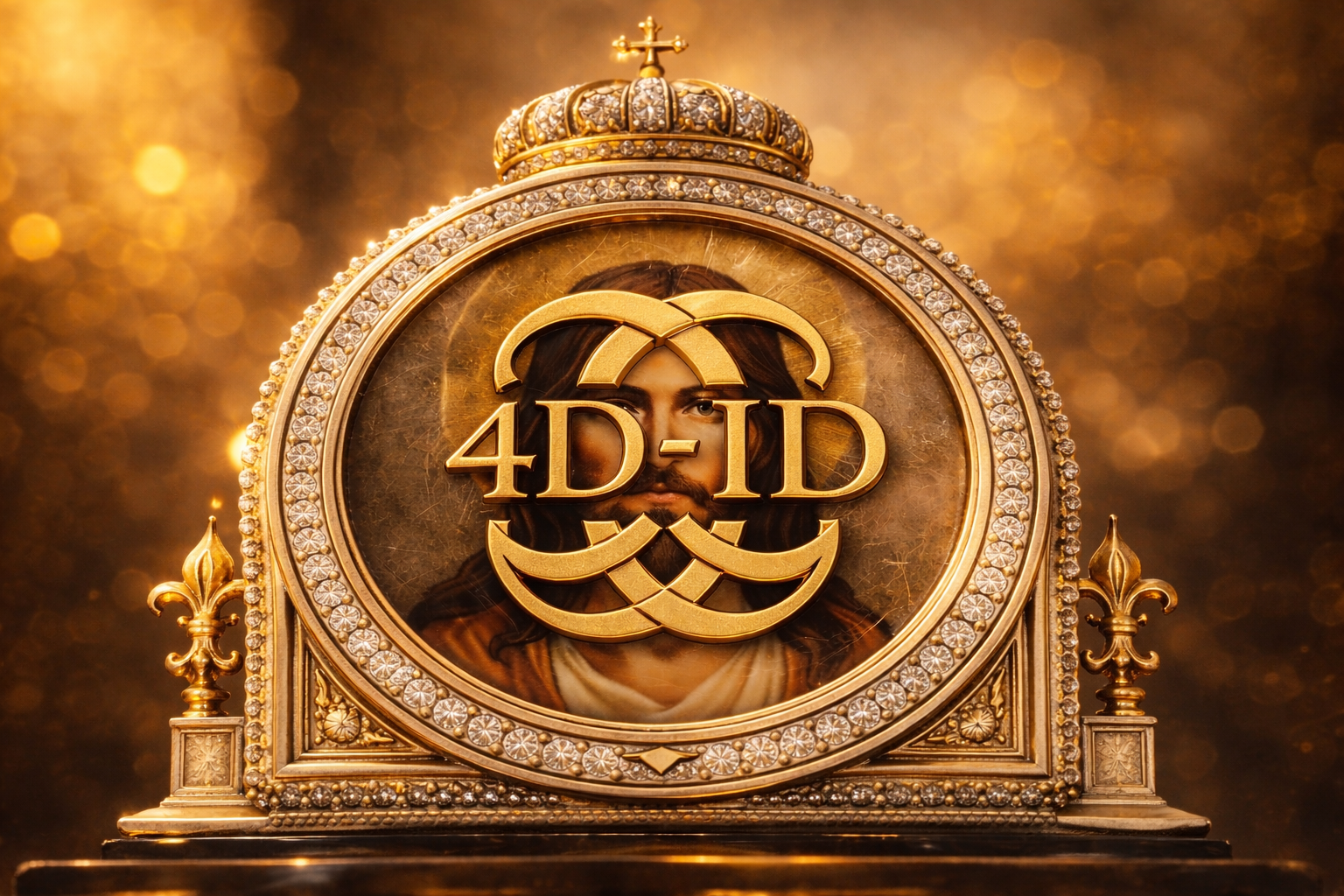
There is a persistent anxiety threading its way through our cultural bloodstream.
It shows up in headlines about artificial intelligence replacing artists, automating workers, writing books, composing music, thinking faster than we ever could. It shows up in dinner conversations, in LinkedIn posts, in half-joking remarks that don’t quite sound like jokes.
What happens to us when intelligence no longer needs a human body?
It’s a fair question. But it’s also the wrong one.
The more interesting question—the one that’s been quietly forming beneath the noise—is this:
What happens when intelligence finally learns how to reflect us instead of replace us?
Historically, every technological leap has carried with it a familiar dread. The printing press was supposed to destroy memory. Photography was supposed to kill painting. Computers were meant to flatten thought into numbers.
None of that happened.
What did happen was subtler. Each new tool forced humanity to renegotiate identity. To decide, consciously or not, what remained essential when something external could suddenly do more.
Artificial intelligence is no different—except for one crucial distinction.
This time, the mirror looks back.
AI doesn’t just extend our hands.
It extends cognition.
Language.
Pattern.
Reflection.
Which is why the anxiety feels existential.
It’s not about jobs. It’s about selfhood.
We’ve been told—explicitly and implicitly—that the future belongs to systems that optimize away the human element. Faster decisions. Cleaner outputs. Less friction. Less emotion. Less mess.
But there’s a quiet counter-movement emerging, one that isn’t loud enough yet to be fashionable, but is too grounded to ignore.
It begins with a simple assertion:
The face still matters.
Human identity is not an inefficiency to be engineered out of existence.
It is the interface through which meaning enters the world.
The future doesn’t belong to intelligence without identity.
It belongs to intelligence in relationship with identity.
In fashion houses, in old ateliers, in sovereign archives, there is a long tradition of the mark—the seal, the insignia, the house symbol—being placed not as decoration, but as authority.
Not loud.
Not excessive.
Just present.
When I began thinking seriously about identity in the age of AI, I realized something unexpected: most systems were trying to brand intelligence, not honor the human.
That’s where the fracture lies.
True augmentation doesn’t eclipse the person.
It presses closer.
It integrates.
It sits at the intersection where meaning, agency, and intelligence converge—without erasing the gaze behind the eyes.
There’s an assumption that the future will be colder. More digital. More abstract. Less human.
I suspect the opposite.
As intelligence becomes abundant, identity becomes precious.
As automation accelerates, authorship matters more.
As content multiplies, coherence becomes currency.
As machines get smarter, being human becomes the differentiator.
The systems that will endure won’t be the ones that shout the loudest about disruption. They’ll be the ones that quietly help people recognize themselves—more clearly, more fully, more honestly.
There is a certain confidence that doesn’t announce itself.
You recognize it in people who are no longer trying to prove relevance. In brands that don’t chase trends. In houses that know who they are, and therefore don’t need to explain it.
That is the posture identity must take in the age of AI.
Not defensive.
Not nostalgic.
Not utopian.
But grounded.
Augmentation is not about becoming something else.
It’s about becoming more yourself—on purpose.
We will eventually stop asking whether AI can think.
The more enduring question will be whether we remembered who we were while building it.
The future will not be won by those who surrender identity for efficiency.
It will be shaped by those who integrate intelligence without losing their humanity.
The future, it turns out, still has a face.
And it’s looking back at us—waiting to be recognized.