You're dealing with problems in your apartment, and you need to know whether they're serious enough to give you legal rights. The ceiling in your bathroom has visible mold spreading across it, and there's been a persistent leak the landlord keeps saying they'll fix but never does. Last winter, you went three weeks without heat during the coldest stretch of the year. You've seen mice regularly in your kitchen, and despite your complaints, the landlord hasn't brought in an exterminator. One of the electrical outlets sparks when you use it, and you've stopped plugging anything into it out of fear. The lock on your apartment door is broken—you can turn the deadbolt, but the main lock doesn't catch, leaving you feeling unsafe at night.
Each of these problems is frustrating and concerning, but you're not sure which ones, if any, cross the line from "annoying landlord negligence" to "legally uninhabitable conditions" that give you the right to demand repairs, reduce rent, or take other legal action. You wonder: "Which problems are serious enough under New York law to make my apartment legally unfit to live in? Do I have to prove multiple problems, or is one major issue enough? What's the legal standard for 'uninhabitable,' and how do common problems like mold, no heat, pests, electrical hazards, and broken locks fit into that standard?"
Understanding which conditions constitute legal uninhabitability is critical because it determines whether you have enforceable rights under New York's warranty of habitability and what remedies you can pursue.
Here's the truth: In New York, rental problems cross from "unpleasant" to "legally unfit to live in" when they threaten your health or safety or violate fundamental building code standards—conditions like no heat or hot water, serious mold and recurring leaks, pest infestations, exposed wiring and electrical hazards, broken locks that compromise security, and structural dangers all typically constitute breaches of the warranty of habitability, making the dwelling legally uninhabitable. These aren't just maintenance issues—they're conditions that render housing unsafe, unhealthy, or unsuitable for human occupation, giving you legal grounds to demand correction and pursue remedies including rent reductions, court-ordered repairs, and in extreme cases, the right to vacate without penalty.
Let me show you exactly what problems make housing legally unfit under New York law, how specific issues like mold, heat loss, pests, electrical hazards, and broken locks fit the legal standard for uninhabitability, what conditions don't typically rise to violations, and what practical steps to take when serious habitability violations exist.
Before examining specific problems, understand the legal standard that determines whether conditions make housing uninhabitable.
The warranty of habitability is New York's fundamental legal requirement that every residential rental must be fit for human habitation and free from conditions that are dangerous, hazardous, or detrimental to life, health, or safety.
This warranty is implied by law in every residential lease in New York State—whether written or oral, rent-regulated or market-rate, in New York City or elsewhere in the state. Landlords cannot waive or contract around the warranty; lease clauses purporting to eliminate habitability obligations are void and unenforceable. The warranty exists automatically as a matter of law protecting every residential tenant.
"Fit for human habitation" sets a baseline standard: the dwelling must be suitable for people to live in safely and healthily. This doesn't mean luxurious, modern, or aesthetically pleasing—it means safe, functional, and healthy. A fit dwelling has working essential services, is structurally sound, is free from serious health hazards, and provides safe occupancy.
"Dangerous, hazardous, or detrimental to life, health, or safety" defines the threshold for violations. Conditions must pose actual or reasonably foreseeable threats to physical safety, health, or wellbeing. Dangers include risks of injury (fires, shocks, falls, structural collapse), health threats (disease from unsanitary conditions, illness from environmental hazards, exposure to toxins), and conditions that make normal, healthy residential life impossible (lack of heat, water, or sanitation).
The practical application is that when problems threaten these fundamental safety and health requirements, they violate the warranty and make housing legally unfit. When problems are merely inconvenient, ugly, or undesirable without creating safety or health threats, they typically don't violate habitability.
Understanding how enforcement agencies and courts assess whether conditions violate habitability helps predict which problems will be considered legally unfit.
Courts examine whether conditions materially affect the health, safety, or wellbeing of tenants and whether they substantially interfere with the beneficial use and enjoyment of the premises. A single serious violation (like no heat in winter) can render a dwelling uninhabitable. Multiple less severe violations accumulating together can also collectively breach habitability even if each alone wouldn't.
Housing code violations are strong evidence of habitability breaches. Conditions that violate building codes, housing maintenance codes, or health codes typically also violate the warranty of habitability. When housing inspectors issue violation notices, those violations support legal claims that the dwelling is uninhabitable.
The landlord's knowledge and response matter. Landlords must maintain habitability throughout the tenancy. When tenants provide notice of conditions and landlords fail to correct them within reasonable time periods, the landlord's inaction strengthens habitability violation claims. Landlords can't excuse violations by claiming ignorance if tenants reported problems.
The duration and severity of conditions affect whether they constitute uninhabitability. Temporary, brief problems that are promptly corrected might not violate habitability, while persistent or recurring conditions, or severe immediate hazards, clearly do. Courts look at the totality of circumstances—how bad the conditions are, how long they've persisted, how they affect daily life, and whether the landlord is addressing them.
Let's examine specific categories of problems that courts, housing agencies, and tenant advocates consistently treat as habitability violations making housing legally uninhabitable.
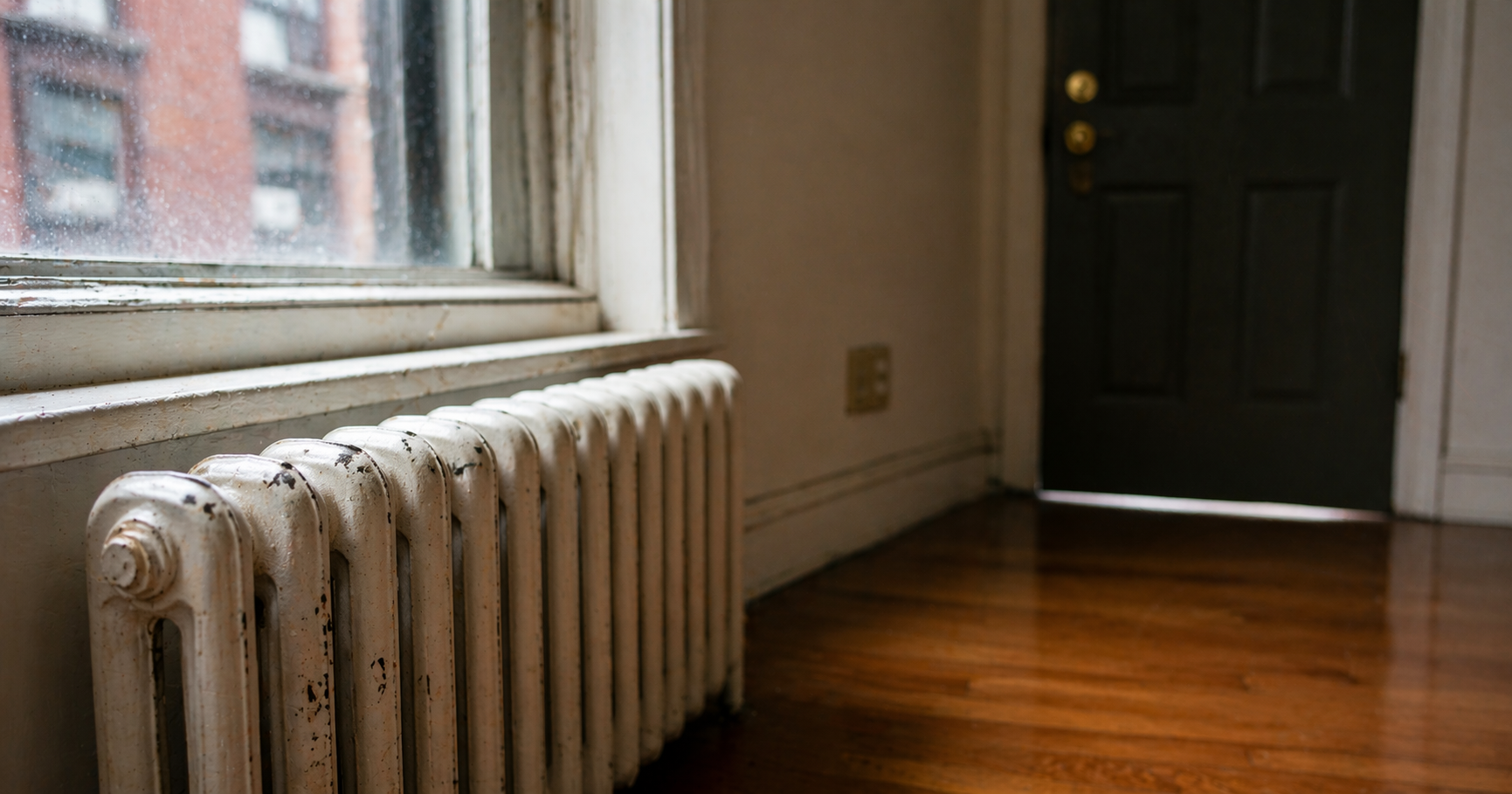
Lack of heat during cold weather or absence of hot water are among the clearest, most universally recognized habitability violations in New York.
Heat requirements in New York establish mandatory minimum temperatures landlords must maintain during heating season. In New York City, from October 1 through May 31, landlords must provide heat maintaining at least 68 degrees Fahrenheit during daytime hours (6 AM to 10 PM) when outside temperature falls below 55 degrees, and at least 62 degrees overnight. Similar requirements exist in many other New York jurisdictions.
No heat in winter is one of the most serious habitability violations because it creates immediate health and safety threats. Inability to maintain warm temperatures during cold weather can cause hypothermia, exacerbate chronic health conditions, make sleep impossible, freeze pipes leading to flooding, and render the dwelling genuinely uninhabitable. Courts treat heat violations extremely seriously, often granting emergency relief, substantial rent reductions, and swift orders for correction.
Inconsistent or inadequate heat that fails to maintain required temperatures or works sporadically also violates habitability. Tenants shouldn't have to tolerate heating systems that fail regularly, force them to use dangerous supplemental heating (space heaters creating fire risks), or leave them uncertain whether they'll have heat on any given cold day.
Hot water violations similarly constitute clear habitability breaches. New York requires landlords to provide hot water at constant minimum temperature (typically 120 degrees Fahrenheit) year-round. Complete absence of hot water or hot water available only sporadically prevents basic hygiene, cooking, and cleaning necessary for healthy living. Courts recognize that living without reliable hot water is incompatible with modern habitability standards.
Extended periods without heat or hot water—even a few days during extreme weather—can support emergency court orders and significant rent abatements. Prolonged absence (weeks without heat during winter, as in your example) constitutes severe habitability violation supporting major rent reductions and potentially constructive eviction claims.
Water intrusion problems and the mold growth they cause are increasingly recognized as serious habitability violations when they're persistent, extensive, or result from landlord neglect.
Recurring leaks that return repeatedly despite attempted repairs demonstrate the landlord's failure to maintain weatherproof, watertight conditions. Persistent leaks from roofs, windows, pipes, or plumbing fixtures cause ongoing water damage, create slip hazards, destroy tenant property, promote mold growth, and make portions of the dwelling unusable. When leaks recur regularly (every rain, every winter, every time certain fixtures are used), they constitute chronic habitability violations.
Visible mold on walls, ceilings, or vents—especially when extensive, spreading, or recurring after cleaning—indicates moisture problems creating health hazards. Mold exposure can cause or worsen respiratory conditions, allergies, asthma, and other health issues. While isolated small spots of mold promptly addressed might not violate habitability, extensive mold growth or mold that returns persistently despite cleaning reveals underlying moisture and ventilation problems the landlord must correct.
The connection between leaks and mold is critical. When landlords fail to fix leaks, moisture accumulates creating conditions for mold proliferation. Courts recognize this causal chain and treat landlord failure to address water intrusion—allowing mold to develop and spread—as habitability violations. The landlord can't claim mold is a separate tenant responsibility when landlord-controlled building conditions cause the moisture enabling mold.
Water damage to building components—ceiling stains, bubbling paint, warped floors, deteriorating drywall—signals active or recent leaks that, if unaddressed, violate habitability by indicating the dwelling isn't properly maintained and sealed from weather and plumbing failures.
Landlord ignoring mold and leak problems after notice compounds the violation. When tenants report these issues and landlords dismiss them, attempt only superficial fixes (painting over mold without addressing moisture source), or simply ignore them, the landlord's inaction demonstrates failure to maintain habitable conditions.
Serious infestations of roaches, mice, rats, or bedbugs that landlords fail to properly address constitute habitability violations because they create unsanitary, unhealthy living conditions.
Roach infestations beyond occasional isolated bugs—seeing roaches regularly, especially during daytime hours (indicating large populations), finding roach droppings or egg cases, seeing roaches in food preparation areas, kitchens, or eating spaces—create unsanitary conditions violating habitability. Cockroaches carry pathogens, contaminate food and surfaces, trigger allergies and asthma, and their presence in large numbers indicates the dwelling is not being maintained in sanitary condition.
Rodent infestations—mice or rats inside living spaces, evidence of nesting (droppings throughout the unit, gnawed food packages, holes in walls or floors where rodents enter), hearing rodents in walls or ceilings, seeing rodents regularly—constitute serious health and safety hazards. Rodents carry diseases transmissible to humans, contaminate food and surfaces with urine and feces, cause property damage, create fire hazards by chewing wiring, and their presence indicates the building is not properly sealed and maintained.
Bedbug infestations have increasingly been recognized as serious habitability violations. Bedbugs cause physical harm (bites, allergic reactions, secondary infections from scratching), severe psychological distress and anxiety, sleep deprivation, and social isolation. Heavy bedbug infestations can make dwellings virtually uninhabitable. Landlord failure to arrange proper professional extermination and ongoing treatment violates habitability.
Building-level pest problems versus isolated incidents is the key distinction. Seeing a single bug occasionally might not indicate infestation or violation. But ongoing, pervasive pest problems—roaches appearing regularly, rodent evidence accumulating, bedbugs spreading despite tenant efforts—especially when the landlord fails to bring in professional exterminators, provide adequate treatment, or address building-wide conditions enabling infestations (gaps in walls, trash accumulation, inadequate sanitation in common areas)—constitute habitability violations.
The landlord's response matters. When tenants report pest problems and landlords ignore them, provide inadequate treatment, blame tenants, or fail to arrange systematic professional extermination, the landlord's inaction allows uninhabitable conditions to persist.
Electrical problems creating fire or shock risks are classic habitability violations because they threaten immediate safety.
Exposed electrical wiring—wires hanging from ceilings or walls, junction boxes without covers, outlets with visible internal wiring, switches with exposed electrical components—creates obvious shock and fire hazards that clearly violate safety codes and habitability requirements. Exposed wiring is often cited in tenant guides and court decisions as a textbook example of an uninhabitable condition requiring immediate correction.
Sparking outlets or switches indicate dangerous electrical faults. While brief sparks from static electricity when plugging/unplugging might be normal, outlets that consistently spark when used, smell of burning, feel hot to the touch, show scorch marks or discoloration, or make buzzing sounds indicate electrical problems creating fire and shock risks. Courts recognize these as serious safety hazards violating habitability.
Circuit breakers that trip frequently suggest electrical system problems—overloaded circuits, faulty wiring, or inadequate electrical service for the building's residential use. While occasional trips from true overloads might result from user error, constant trips indicating the electrical system cannot safely handle normal residential use (requiring residents to carefully manage which appliances can be used simultaneously, or leaving portions of dwelling without power) constitute habitability issues.
Non-functioning electrical systems leaving parts of the dwelling without power violate habitability by preventing normal use and potentially forcing reliance on unsafe extension cords or temporary solutions creating fire hazards.
The immediacy of electrical hazards makes them particularly serious violations. Fire and shock risks don't require long exposure to cause catastrophic harm—a single electrical fault can cause deadly fires or electrocutions. Courts treat electrical hazards as requiring urgent correction.
Locks and security features that fail to function properly constitute habitability violations by compromising basic safety and security.
Broken apartment door locks—main entry locks that don't engage properly, deadbolts that can't be secured, locks that are missing or completely non-functional—leave tenants vulnerable to unauthorized entry, theft, and violence. Courts and housing codes recognize that functional locks on entry doors are fundamental safety requirements. An apartment door that cannot be securely locked violates habitability because it prevents tenants from safely securing their dwelling.
Building entrance security failures—broken front door locks leaving buildings unsecured, intercom systems that don't work preventing tenant control over building access, broken or missing doors on common entrances—compromise security for all tenants. While perhaps less immediate than individual unit lock failures, building security defects contribute to uninhabitable conditions, especially in higher-crime areas.
Window locks and security—windows that cannot be secured, especially on ground floors or fire escapes, broken window locks, windows that won't close properly—create security vulnerabilities and in cold weather prevent maintaining required heat. Courts recognize that windows must be securable both for security and weather protection.
The importance of lock functionality reflects basic safety requirements. Tenants must be able to secure their homes against intrusion. When landlords fail to maintain or repair locks after notice, they're failing to provide fundamental safety features required for habitable housing.
Your example of a broken apartment door lock where the deadbolt works but the main lock doesn't catch exemplifies this violation—the door isn't fully securable, compromising safety and clearly violating habitability.
Structural problems threatening collapse, falls, or other physical injuries constitute clear habitability violations.
Collapsing or severely damaged ceilings—sagging plaster, large cracks indicating structural stress, water damage causing ceiling deterioration, portions of ceiling that have fallen or appear ready to fall—create fall hazards that could cause serious injury or death. Even if collapse hasn't occurred, conditions suggesting imminent collapse (severe sagging, visible deterioration, cracking and separation from walls) violate habitability.
Unsafe stairs and railings—stairs with missing or broken steps, stairs that are unstable or shift when used, missing or broken railings, railings that are loose or cannot support weight, inadequate stair lighting—create serious fall risks violating habitability and building codes. Stairs are high-traffic areas where falls can cause devastating injuries, so stair safety is a critical habitability requirement.
Sagging or unstable floors—floors that bounce excessively, feel spongy or soft, show visible sag or slope, have holes or gaps, are structurally unsound—indicate potential collapse hazards clearly violating habitability.
Water damage compromising structural integrity—floors, walls, or ceilings deteriorating from long-term water exposure, wooden structural members rotting from moisture, foundation problems from water intrusion—creates structural hazards requiring correction to maintain habitability.
Broken windows that cannot close, have missing panes, or cannot be secured create multiple habitability issues: security vulnerabilities, weather exposure preventing required heat maintenance, and in some cases physical hazards from broken glass.
Several other categories of problems commonly violate habitability by creating health or safety threats.
Lead paint hazards in pre-1978 buildings where paint is peeling, chipping, or flaking create serious health threats, especially for children under six. Lead exposure causes neurological damage, developmental delays, and other severe health problems. Landlords must maintain painted surfaces in good condition, and deteriorating paint in older buildings constitutes a presumptive lead hazard violating habitability when children live in or regularly visit the unit.
Poor sanitation and sewage problems—backed-up sewage, toilet or drain failures causing unsanitary conditions, lack of functional toilets or sinks, garbage or sanitation system failures—create health hazards through pathogen exposure and uninhabitable conditions preventing basic hygiene.
Missing or non-functional smoke and carbon monoxide detectors violate codes and habitability requirements. Working smoke detectors and CO detectors (where required based on fuel-burning appliances or attached garages) are life-saving safety devices that must be present and functional. Their absence or failure constitutes a serious habitability violation.
Inadequate heat insulation or ventilation in extreme cases can violate habitability—dwellings that cannot maintain required heat despite functioning heating systems because of severe insulation failures, or ventilation so poor that condensation and mold are inevitable despite tenant efforts.
Let's apply the habitability framework to the specific problems you mentioned to see how they're treated under New York law.
Your example of persistent or widespread mold tied to leaks the landlord won't fix clearly fits the habitability violation standard for multiple reasons.
Mold creates health hazards through respiratory effects, allergic reactions, and potential toxic exposure depending on mold type. Visible mold spreading across bathroom ceilings, as in your scenario, indicates active moisture problems and ongoing mold growth—not isolated spots but a spreading infestation.
The leak connection is critical. Mold doesn't appear without moisture, and if there's a persistent leak the landlord keeps promising to fix but never does, the landlord is allowing the moisture source to continue while mold proliferates. This landlord inaction after notice clearly violates habitability.
Courts recognize mold as a habitability violation when it's extensive, recurring, or results from landlord failure to address moisture sources. Your scenario—visible spreading mold, persistent leak, landlord promises without action—would support rent reduction claims, court orders for repair, and potentially damages for health effects or property damage.
Your example of going three weeks without heat during winter's coldest stretch is one of the clearest, most serious habitability violations possible.
Heat in winter is fundamental to habitable housing. Three weeks without heat during cold weather creates emergency conditions threatening health and safety. Tenants cannot safely live without heat in winter—the dwelling becomes genuinely uninhabitable in the most literal sense.
Courts treat winter heat failures extremely seriously, often granting emergency orders for immediate heat restoration, substantial rent abatements for the period without heat, and sometimes damages for harm suffered. Heat violations during severe cold can support rent reductions to zero for the affected period.
Your scenario would support emergency court intervention if it recurred, retroactive rent reduction for the three-week period, and potentially constructive eviction claims if the heat failure continues or recurs making winter occupancy impossible.
Your example of regular mice sightings in the kitchen despite complaints and landlord inaction fits the habitability violation standard for pest infestations.
Regular rodent presence in food preparation areas creates serious health and sanitation hazards. Mice in kitchens contaminate food surfaces with urine and feces carrying pathogens, create risks of disease transmission, and indicate the dwelling is not being maintained in sanitary condition.
Landlord failure to bring exterminators after tenant complaints demonstrates failure to address the habitability violation. Landlords must take effective action to eliminate pest infestations—professional extermination, sealing entry points, addressing building-wide conditions enabling infestations. Ignoring tenant reports allows uninhabitable conditions to persist.
Your scenario would support habitability violation claims, rent reductions until the infestation is eliminated, court orders compelling the landlord to arrange proper extermination and building sealing, and potentially damages if the infestation caused property damage or health effects.
Your example of an outlet that sparks, which you've stopped using out of fear, clearly constitutes an electrical hazard violating habitability.
Sparking outlets indicate dangerous electrical faults creating fire and shock risks. That you felt compelled to stop using the outlet out of safety concerns demonstrates the hazard is serious enough to impair normal use of the dwelling—you're prevented from using electrical power in that location because of safety risks.
Exposed electrical wiring and dangerous electrical conditions are textbook habitability violations cited in court decisions, housing codes, and tenant guides. The fire risk alone (electrical faults being leading causes of residential fires) makes these violations landlords must address immediately.
Your scenario would support habitability claims, especially if combined with other violations. An electrician's report documenting the electrical fault would strengthen the case. Courts would likely order immediate correction and could award rent reductions if the condition persisted.
Your example of an apartment door where the deadbolt works but the main lock doesn't catch, leaving you feeling unsafe, fits the security failure habitability violation.
Broken entry locks prevent tenants from fully securing their homes, compromising basic safety. That you feel unsafe at night because your door cannot be fully locked demonstrates the security failure's impact on your peaceful enjoyment and safety.
Functional locks are fundamental habitability requirements recognized in codes and court decisions. Courts understand that tenants must be able to secure their dwellings against unauthorized entry, and landlord failure to maintain locks after notice violates this fundamental safety requirement.
Your scenario would support habitability claims demanding immediate lock repair or replacement, potential rent reduction if the lock remains broken, and potentially damages if a security breach occurred because of the broken lock.
Understanding what doesn't typically violate habitability helps calibrate expectations and distinguish real violations from mere dissatisfaction.
Problems affecting appearance without threatening safety or health generally don't violate habitability.
Old appliances that still function safely—a dated refrigerator that keeps food cold, an old stove that cooks properly, a vintage bathroom that works—might not be attractive or modern, but functional is what habitability requires. Cosmetic oldness without safety or functionality problems doesn't violate habitability.
Stained but structurally sound walls and floors—discolored paint, stained carpets without trip hazards, scuffed surfaces, wear from age—look bad but don't threaten safety or health. As long as surfaces are intact and functional, aesthetic concerns don't rise to habitability violations.
Chipped paint without lead risk—in buildings built after 1978 (no lead paint), or chipped paint that's been tested and confirmed lead-free, or chipped paint in areas without child access—might look poor but doesn't create the health hazard that makes lead paint violations serious.
The distinction is between conditions affecting only appearance versus those affecting safety, health, or function. Habitability focuses on the latter.
Issues that occur but are fixed quickly without recurrence typically don't constitute ongoing habitability violations.
Minor leaks repaired promptly—a small pipe leak that's fixed within days, a dripping faucet that's repaired, a roof leak that's patched during the first available weather—don't violate habitability if they're addressed before causing significant damage or mold and don't recur. Normal maintenance responsive to problems doesn't violate habitability.
Isolated pest sightings—seeing a single roach, one mouse, or occasional bugs that might enter from outside—don't necessarily indicate infestation or violation. The key is whether pest presence is ongoing, pervasive, and unaddressed versus isolated incidents.
Transient problems corrected in reasonable time—a temporarily stuck window that's freed, a toilet that runs but is repaired, a light fixture that's replaced—represent landlord obligations being met, not violations.
The keys are promptness and effectiveness. When landlords respond to problems quickly and fix them properly so they don't recur, habitability is being maintained. When problems persist, recur, or aren't addressed despite notice, violations exist.
Issues based on personal preference rather than objective safety or health concerns generally don't violate habitability.
Wanting upgrades—preferring granite counters over laminate, wanting stainless appliances instead of white, desiring open floor plans instead of divided rooms—represents preference, not habitability requirements.
Layout and design dislikes—not liking room sizes, preferring different bathroom configurations, wanting more storage—are subjective preferences that don't implicate habitability unless spaces are so small or configured so poorly they're genuinely unusable or unsafe.
Normal urban living realities—street noise, neighbor sounds, lack of parking, building density—might be frustrating but typically aren't habitability violations unless so extreme they prevent normal residential use.
If you're experiencing conditions that appear to violate habitability, take strategic action to document problems and pursue remedies.
Evidence is critical for proving habitability violations and pursuing legal remedies.
Photographs and videos should capture every condition you believe violates habitability:
Create detailed written logs:
Save all communications about repairs—emails, texts, letters, work orders, maintenance requests. These prove you notified the landlord and document their response or failure to respond.
If possible, get witness statements from family, visitors, or neighbors who can attest to conditions they've observed.
This documentation establishes that violations exist, you provided proper notice to the landlord, and the landlord failed to correct them—the foundation for habitability claims.
While you may have verbally reported problems, written notice creates clear legal records.
Send written notice via email (with read receipt), certified mail (with return receipt), or text message (saving screenshots) documenting:
Example language: "This letter provides formal written notice of habitability violations at [address]. The following conditions violate New York's warranty of habitability and require immediate correction: [list specific problems with details]. I previously reported these issues verbally on [dates]. These conditions threaten health and safety and make the dwelling unfit for habitation. Please arrange for repairs within [reasonable timeframe, e.g., 7 days for emergencies, 30 days for non-emergency]. Failure to correct these violations will require me to pursue legal remedies."
Written notice establishes a clear record and starts the clock running on the landlord's obligation to respond.
Official inspections create powerful evidence and can compel repairs through government enforcement.
In New York City, call 311 to report code violations:
HPD and DOB will schedule inspections, document violations, issue official violation notices to landlords with correction deadlines, and can pursue enforcement including fines and court orders if landlords don't comply.
Outside NYC, contact local authorities:
Request inspections and violation notices. Official government documentation of habitability violations is powerful evidence in court proceedings and rent reduction claims.
For emergency conditions (no heat in winter, imminent structural collapse, gas leaks, exposed high-voltage wiring), call emergency services and code enforcement immediately. Some violations require emergency response.
Navigating habitability violations and pursuing remedies often requires legal guidance.
Free legal resources:
Private tenant attorneys can represent you in housing court, negotiate with landlords, and pursue claims. Many work on contingency or sliding scales.
Legal help can:
Available remedies include:
New York's warranty of habitability requires housing free from conditions dangerous, hazardous, or detrimental to life, health, or safety—not just attractive housing.
Problems that threaten safety or health make housing legally unfit: no heat, serious mold and leaks, pest infestations, electrical hazards, broken locks, structural dangers, lead paint exposure, missing detectors.
Your specific examples—mold from unrepaired leaks, three weeks without winter heat, regular mice despite complaints, sparking outlets, broken apartment locks—all fit the legal standard for uninhabitability.
Cosmetic issues, old but functional fixtures, minor promptly-repaired problems, and aesthetic preferences don't typically violate habitability.
Document everything with photos, videos, written logs, and communications. Report to landlord in writing. Call 311 (NYC) or local code enforcement for inspections. Get legal help to pursue remedies.
You have legal rights to safe, healthy housing. Assert your warranty of habitability rights. Don't accept dangerous, unhealthy conditions.
Find out if you have a case in 30 seconds →