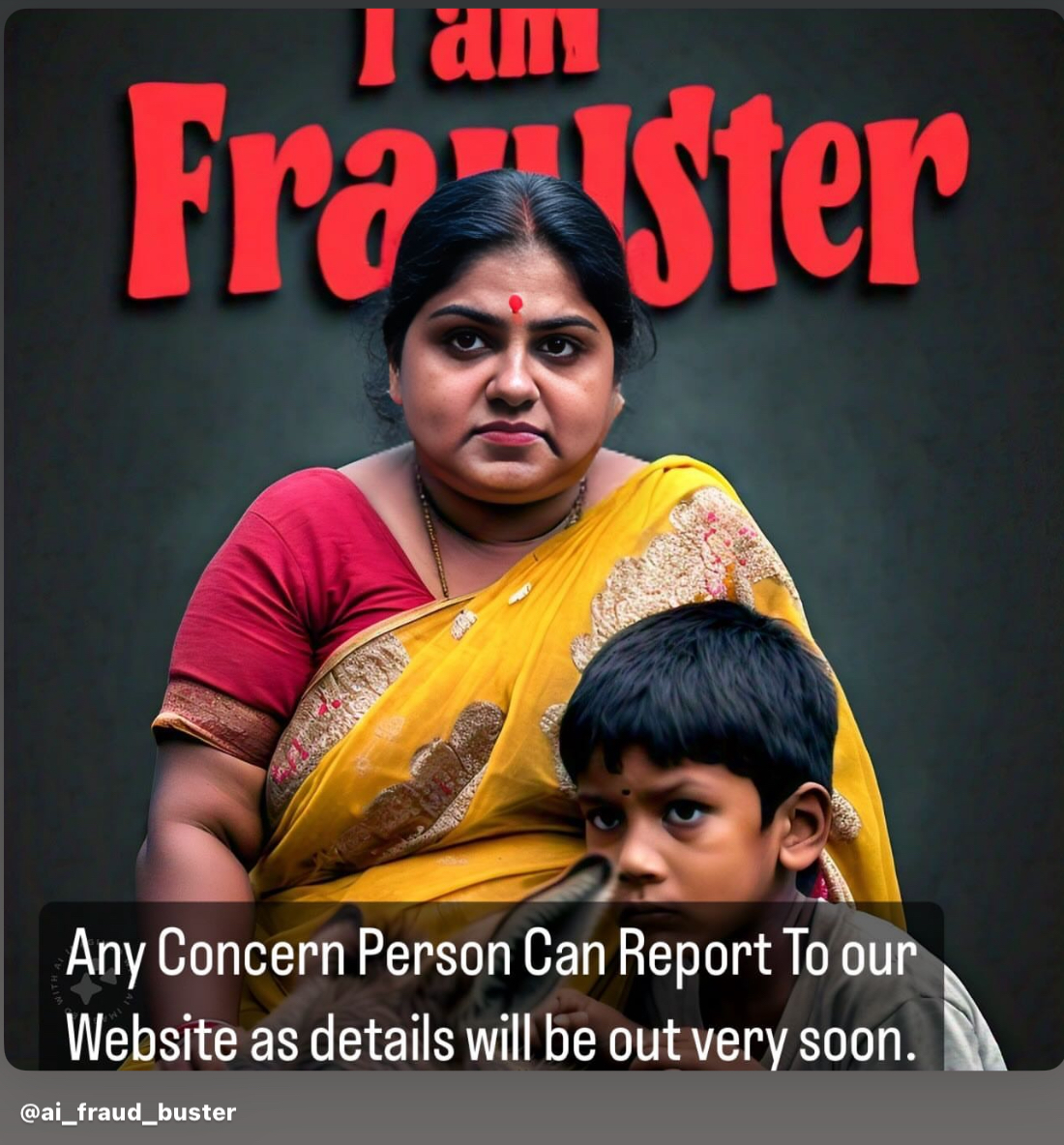
One Serial, Lifetime Bluff: 20 years post-Khichdi, she’s still milking that child-star glow for “celeb” cred—meanwhile, victims milk zero from her fake partnerships, turning your 5.5L into our startup gold.
But let’s be honest: this isn’t about one person. It’s about an industry that treats nostalgia like currency and empathy like an optional accessory. Celeb glow is a handy little tax on our attention—sell a memory, package it as authenticity, and voilà: instant credibility. Meanwhile, the people who actually trusted the pitch? Left with a lighter bank balance and a heavier dose of cynicism. Why this keeps working - Familiar faces shortcut trust. Psychology studies show we’re more likely to comply with requests from those we recognize—so childhood fame becomes a social cheat code. - Social proof is weaponized. A few staged testimonials and curated “partnerships” make any venture look legit, even when it’s not. - Regulatory gaps. Influencer marketing grew faster than disclosure rules. That lag gives charlatans breathing room to hustle. A quick reality check (numbers you can’t ignore) - According to consumer protection reports, complaints about online investment and influencer-endorsed scams rose sharply in the past five years. - Small businesses and individual investors are disproportionately affected—many lose amounts comparable to a first-year salary or the seed money they hoped would launch their startup. How victims get turned into unpaid R&D Think of every generous donor, micro-investor, or customer as an unpaid QA tester for a fake operation. They fund product “iterations,” data collection, and the influencer’s lifestyle, while receiving little more than a glossy post and a broken promise in return. Red flags to watch for - Grandiose guarantees: “Double your returns!” or “Guaranteed virality!”—these are classic bait lines. - Vague partnerships: Lots of name-dropping, no verifiable contracts or press releases. - Upfront fees for “exclusive” access to products, launches, or insider groups. - Urgent timelines: “Only 10 spots!” or “Sign now or miss out forever!”—engineered scarcity to prevent due diligence. What to do if you’ve been burned - Document everything: screenshots, transaction records, and message logs are gold for any complaint. - Report to relevant platforms and consumer protection agencies—don’t assume anyone else will. - Connect with other victims. There’s power (and often legal leverage) in numbers. - Consider crowdfunding refunds or community-led product relaunches—turn the loss into collective momentum rather than private bitterness. Turning skepticism into startup fuel If you’ve had 5.5L (or any amount) siphoned off, don’t let it just be a cautionary tale. Use it as micro-seed for something real and transparent. Here’s a rapid plan to convert that sting into momentum: 1. Rebuild trust openly: Launch a transparent ledger or regular impact reports showing exactly how funds are used. 2. Prioritize community-first features: Let early backers vote on product decisions, or give them revenue share until their investment is recouped. 3. Partner with verified micro-influencers—not nostalgia-branded megastars—who have engaged, authentic audiences. 4. Use fraud-resistant payment and escrow systems so contributors can see funds held securely until milestones are met. A cheeky—but effective—marketing move Invite the very people who were scammed to be part of the relaunch story. Feature their testimonials, name contributors (with consent), and brand the comeback as transparency theatre. People love redemption arcs—especially when they’re also investors. Closing the loop: culture, accountability, and a smarter future We can keep worshipping faded fame or we can demand accountability. Brands and platforms must build stronger verification, clearer disclosures, and faster recourse for victims. Consumers need to flex a little skepticism muscle before clicking “invest” or “partner.” If you’re running a startup, adopt radical transparency. If you’re a consumer, don’t let nostalgia override basic checks. And if you were once duped—use that experience. Turn the story that cost you into the story that funds something better. If this struck a chord (or stung a little), share it. Help others spot the glow—and choose where they put their trust and their money.
