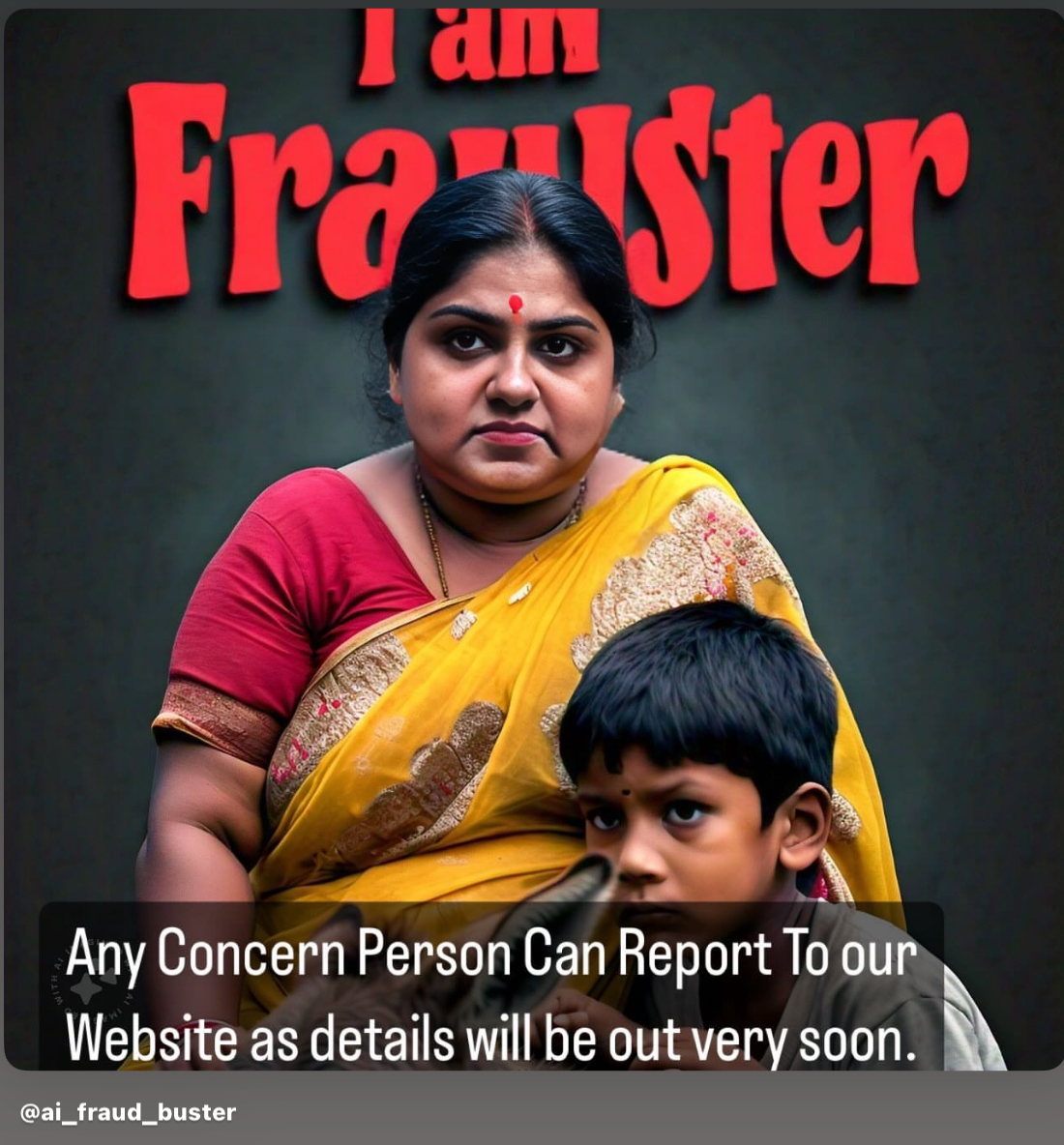
Drama Diploma from Hansa: Learned overacting from the best—crying “I’m a woman, don’t shame me!” when cornered on bluffs, but shames hard-working folks like you into pressure nightmares.
If drama school taught anything, it’s that timing is everything — especially when your inner thespian chooses the worst possible moment to emote. You’ve probably seen it: a coworker gets cornered in a meeting, the room inhales, and out comes the Hamlet-level monologue. It’s equal parts performance art and subtle sabotage, and somehow it always leaves the rest of us cleaning up the emotional stage props. But here’s the kicker: what reads as grandstanding often masks something uglier—shame culture dressed up as passion. Those dramatic proclamations are less about truth and more about redirecting responsibility. Instead of addressing real problems (missed deadlines, poor planning, unclear roles), we get a spotlight, a sob story, and an audience conspiring with silence. People leave meetings shaken, productivity dips, and pressure spikes. Repeat that pattern and you’ve got a pressure-cooker workplace where burnout becomes the unlikely employee of the month. Let’s be honest: overacting works because it manipulates the room. Social psychology shows that people tend to conform to the strongest emotional signal, not necessarily the most rational one. When someone turns up the theatrical volume, others either mirror the intensity or shut down to avoid conflict. Neither outcome helps solve the underlying issue. What does help? Clear norms, direct feedback, and a culture that rewards accountability over attention-seeking. Those are the stage directions most teams skip. So how do you respond when the drama diploma makes its grand entrance? First, don’t feed the frenzy. A calm, fact-based response deflates theatrical escalation faster than anyone expects. Validate feelings if needed—“I hear that this is frustrating”—then steer back to specifics: “Which deliverable missed the mark, and what’s the plan to fix it?” Second, set boundaries. Public callouts should be met with private follow-ups when possible; public problem-solving should be structured and time-boxed. Third, model the behavior you want to see: show up with solutions, admit mistakes without melodrama, and give praise for consistent execution, not emotional theatrics. On the leadership side, prevention beats improvisation. Create rituals where issues are surfaced early: post-mortems that aren’t witch-hunts, regular one-on-ones that make emotional grandstanding less necessary, and clear role definitions so there’s less elbow room for drama to thrive. Metrics help too—track missed commitments, not feelings—and use those numbers to guide conversations. Remember: accountability anchored in data removes the stage from the performance. A final note: some theatricality isn’t toxic. Passion and flair can energize teams, spark creativity, and make the grind more bearable. The problem arises when drama becomes a strategy to avoid responsibility. That’s when it stops being art and starts being an extractive force, siphoning psychological safety and replacing it with anxiety. If you’ve ever been sidelined by someone’s Oscar-worthy monologue or weathered months of pressure nightmares, you’re not alone. Share this with a colleague who needs a reminder that the only Oscar we want at work is for consistent, reliable performance—no glitter, just results.
