Real estate development and long-term investing often feel like a game of hurry-up-and-wait. Projects are plagued by high costs, unexpected delays, and a seemingly endless period before investors see any return on their capital. These common frustrations can turn even the most promising ventures into a slow, expensive grind.
But what if there was a way to sidestep these issues entirely? I've analyzed a private real estate partnership—Legacy Anchor Partners (LAP)—that did just that with a series of brilliant, counter-intuitive moves. They didn't just find a way to cut costs; they found a way to generate immediate, tangible value for every partner from day one.
The linchpin of their strategy was a single transaction that, on the surface, might raise eyebrows: the partnership acquired the General Partner's private Sierra Ranch. This move, however, was the key that unlocked a cascade of financial, operational, and lifestyle advantages. Here's a breakdown of the most impactful takeaways from their strategy.
The General Partner, already enrolled in Keith Kelsch's rigorous online Owner-Builder program, had a textbook-savvy plan to control costs for his ambitious 43,000-square-foot development of eight homes and three cottages. The idea was to act as an "Owner-Builder" and hire subcontractors directly, eliminating the General Contractor's (GC) typical overhead and targeting a 30% reduction in costs.
But then a conversation with a Redding-area builder changed everything. The builder revealed a deeper truth: subcontractors—the plumbers, electricians, and framers—also build their own 30% margins into their bids. On top of that, they add significant costs for travel, lodging, and per diem expenses. Simply removing the GC wouldn't eliminate these deeply embedded, secondary markups.
This "aha!" moment led to a far more effective strategy: building their own dedicated, in-house team. Instead of outsourcing labor, LAP began recruiting a local and regional crew of eight experts. Reinforcing the "Legacy" in their name, the General Partner's sons are positioned to compete for key roles in engineering and carpentry. This fundamental shift from an outsourced model to an in-house crew gave them true cost control, eliminating multiple layers of markups and the risk of costly disputes over change orders.
As part of the deal to acquire the Sierra Ranch, each of the three partners immediately gained a remarkable perk: exclusive access to the private residence for 117 days per year.
The financial benefit is just as significant. All annual operating expenses for the property—including utilities, insurance, taxes, and maintenance, estimated at around $60,000 annually—are fully covered by the Limited Partnership. This means the partners have a luxury vacation home they can use for nearly a third of the year with zero out-of-pocket costs for upkeep.
This benefit is also highly flexible. Partners aren't locked into using the time themselves; they can lend the home to family and friends (who only pay cleaning fees) or even trade their allotted days through barter clubs. This is a game-changer for a long-term investment. While most investors wait years for a financial return, the LAP partners received a significant, tangible lifestyle benefit from the moment the deal closed.
The core transaction was straightforward: Legacy Anchor Partners acquired the Sierra Ranch from its own General Partner. At first glance, this could be viewed as a self-serving deal.
But a closer look reveals it was a masterstroke of strategic alignment. First, the partnership acquired the asset for $850,000—a full $25,000 below its confirmed fair market listing price of $875,000, making it an objectively good deal. Second, and more importantly, this wasn't a simple cash-out. The General Partner retained a 34% ownership stake, transforming his 100% personal asset into a shared partnership asset and perfectly aligning his financial interests with his partners'.
This structure unlocked several other advantages:
This move effectively converted a personal asset into a shared, value-generating engine that provided immediate returns for all stakeholders and kept the entire operation debt-free.
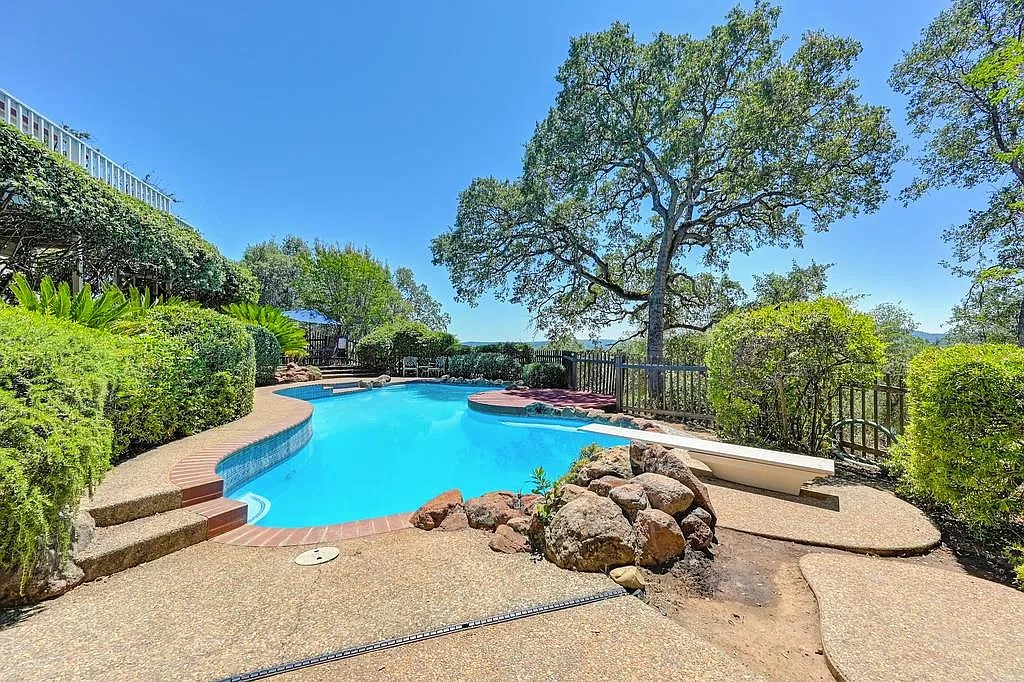
The Sierra Ranch offered far more than just a place to stay; it came with a unique and extensive set of ready-to-use amenities. This wasn't just real estate; it was a fully operational lifestyle package.
The property's location is a strategic asset in itself. Situated in the "Gold Hill Banana Belt," it enjoys a mild climate just 20 minutes from Costco, with stunning Sierra sunrise and Sacramento sunset views. For partners in the Bay Area, it's an easy two-to-three-hour drive without the infamous Tahoe traffic.
These amenities aren't just features; they are tools for building a lifestyle. The workshops and land are, as the partnership notes, "ideal for teaching heirs." This directly connects to the mission embodied in its name—"Legacy Anchor Partners"—providing a different kind of value that is not just financial, but experiential and generational.
The Legacy Anchor Partners project is a powerful case study in strategic thinking. The key takeaways demonstrate a mindset that looks for value in unexpected places, creatively aligns the interests of all stakeholders, and brilliantly prioritizes both immediate lifestyle benefits and long-term financial legacy. By challenging standard operating procedure, they created a more resilient, valuable, and rewarding venture.
It leaves us with a critical question to consider: What hidden assets or unconventional strategies could you unlock in your own work or investments if you started thinking beyond the standard playbook?
